CurvesOrNot

The Psychology of Colour in Fashion: What Your Outfit Says About You

Think of colour as a conversation rather than just decoration. Every time you slip into a dress or pull on a cosy jumper, you’re sending out a message and tuning into how you feel. Maybe you’ve noticed how a bright red jacket makes you walk taller or how a soft blue tee calms your nerves. This article is written with you in mind, whether you’re curious about why certain shades lift your mood or you simply want your wardrobe to feel more intentional. As writer Audrey Stanton notes, the colours we wear speak both to the world and to ourselves. Colour psychology studies how these shades can affect our moods and behaviour. Even though interpretations vary across cultures, there are clear patterns you can use to your advantage.

What colour psychology really means

Colour psychology might sound technical, but it simply combines art, science and human behaviour. Research shows that colours can change how we feel and even influence the choices we make. In fashion, that means the shade you pick becomes part of your personal story. It can tell the world if you’re feeling bold, creative or calm. People pay attention to colour online, too, and younger generations are especially comfortable using colour to express who they are. Once you understand these ideas, you can put together a wardrobe that reflects your personality and supports your goals.

If you’re new to colour psychology, you might enjoy our guide to building a luxe capsule wardrobe and article on dressing for your body type. Both posts help you find pieces that work together and make you feel fabulous.

Decoding common colours

We all have our own associations with colours, but research and tradition point to some common meanings. Use these insights to choose pieces that support your mood. (If you’re looking for styling inspiration, head to our colour lookbook for outfit ideas.)

Red: Passion, strength and confidence. If you want to feel unstoppable, reach for red. Studies show that men wearing this hue are seen as more powerful than those in blue or greyand it’s considered lucky in parts of Asia. Try a red blazer or lipstick when you want all eyes on you. (Shop our favourite red blazer for a polished look.)

Blue: Calmness and trust. This cool hue can even slow your heart rate and lower blood pressure. Reach for navy or midnight blue when you want to convey reliability and professionalism, or slip into a sky‑blue sweater to relax at home. (Read our post on quiet luxury basics for more.)

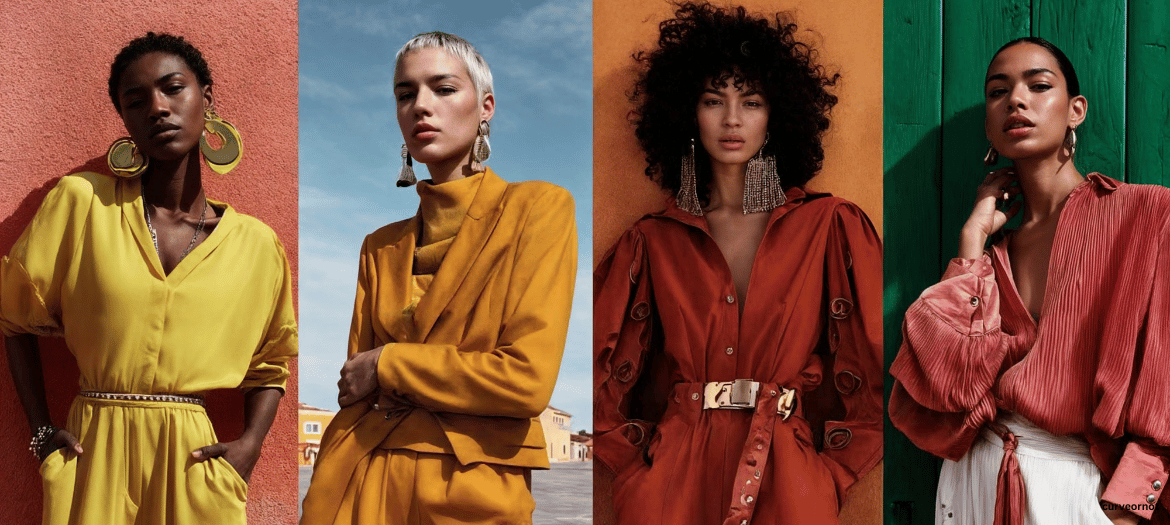
Yellow: Happiness and creativity. When you need a mood lift or want to tap into your playful side, add a splash of yellow. In different cultures it symbolises hope, courage or even mourning. A mustard scarf or sunny bag will brighten your day. (Check our yellow accessories guide for inspiration.)

Black: Classic and powerful. When you need a confident anchor piece, black delivers. It’s timeless in fashion, though also associated with mourning or respect. A little black dress or tailored suit can carry you from office to evening with ease.

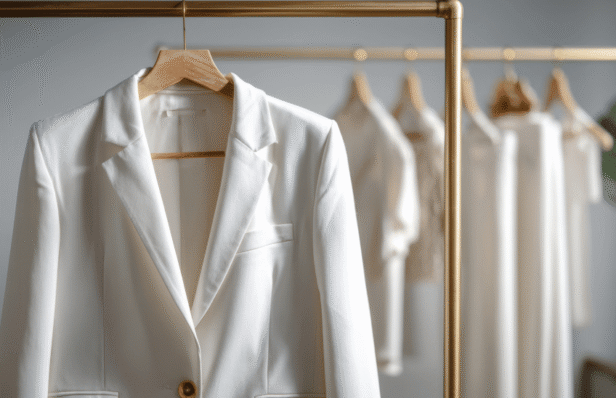
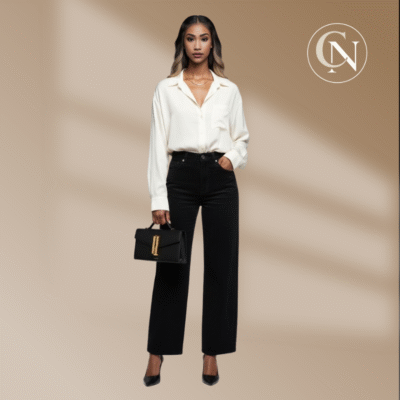
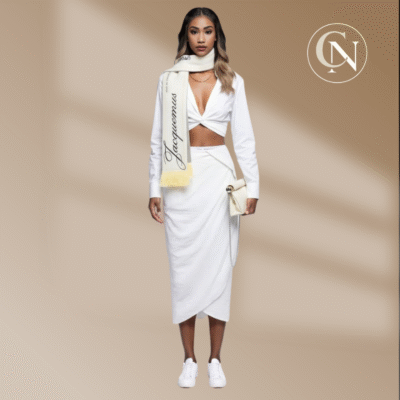
White: Simplicity and freshness. This clean hue can read as bridal or funereal depending on where you are. A crisp white shirt will always brighten up your outfit, whether tucked into jeans or layered under a blazer. (Find your perfect white blouse in our wardrobe staples shop.)

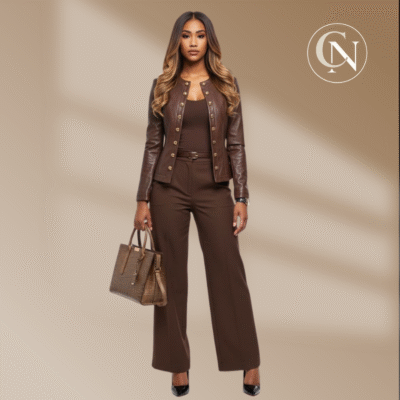
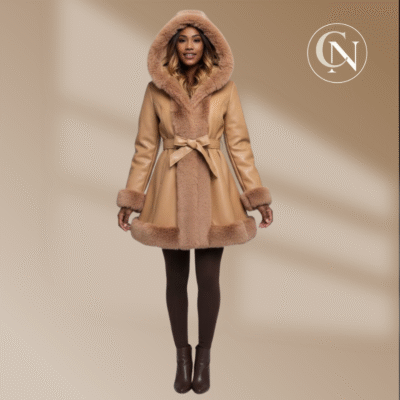
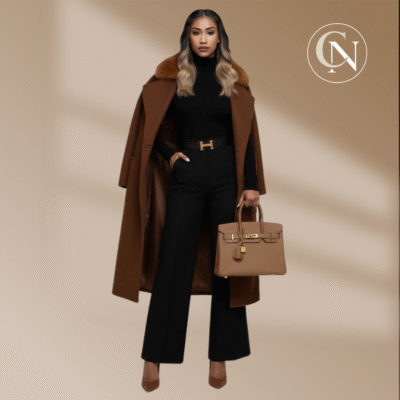
Green, pink, brown & beige: Soft greens evoke balance and growth; pink can feel playful or romantic; earthy browns and beiges bring warmth and stability. If you want to ground your look or soften bolder hues, these “old money” favourites are perfect. (See our neutral colour palette guide for more tips.)

Cultural context

Colour meanings aren’t universal, so consider your audience. Red might be a bridal colour in India but used for mourning in parts of Africa. White symbolises purity in the West yet signifies death in East Asia. Purple is associated with mourning in Thailand but with wealth and royalty in Western history. When dressing for international events or travels, check the cultural significance of your colours to show respect.

Colour choices of influential dressers

Seeing how well‑known figures use colour can inspire your own styling. Queen Elizabeth II famously wore bright coats and hats so everyone could see her. Her lime greens, sunny yellows and royal purples made her approachable and confident. (Read more about the Queen’s style in our power dressing history post.)

Tech entrepreneur Mark Zuckerberg takes the opposite approach: he sticks to a grey T‑shirt to avoid decision fatigue. The Guardian calls this a “sartorial humblebrag”. His uniform signals focus and efficiency. This is similar to the “quiet luxury” trend, where neutral colours like navy, grey, camel and soft whites whisper “taste” without logos.

In politics, a simple accessory can make a statement. Some leaders choose red ties to appear decisive; research shows red ties can make a man seem more dominant, though they don’t guarantee better leadership. (If you love minimalist styling, see our post on signature uniforms.)

Building your own colour palette

Your colour palette is like a recipe: when you mix the right ingredients, everything comes together effortlessly. Start by looking at your skin’s undertones. If your undertone is warm (you see more yellow or gold), you’ll shine in earth tones like olive, rust and terracotta. If it’s cool (pink or blue), jewel tones such as sapphire, emerald and amethyst will make your features pop. Neutral shades like navy and charcoal flatter almost everyone.

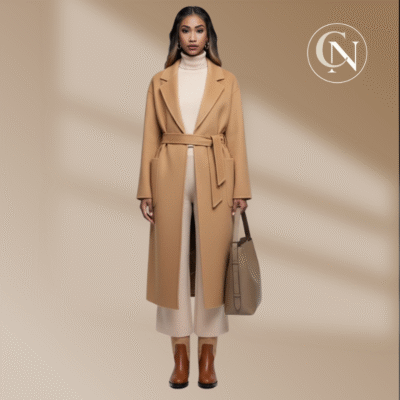
Next, ask what you want your clothes to say. Blues and neutrals give off a calm, professional vibe, while reds and yellows dial up the energy. Nature can guide you too: autumn inspires warm oranges, winter loves cool blues, spring sings in pastels and summer glows in brights. Use neutrals as your base — think camel coats or charcoal trousers — and then layer on a single colourful piece or accessories for interest. (For more help choosing basics, browse our capsule wardrobe checklist.)

If you’re drawn to understated elegance, consider the “old money” approach. It focuses on classic colours like navy and charcoal grey, with subtle patterns like pinstripes or checks adding depth without shouting. Pay attention to which shades earn you compliments and make you feel vibrant — that’s your personal palette. (Take our colour palette quiz to find yours.)

Mood dressing

The colours you put on in the morning can shift how you feel all day. Need an extra spark? Warm hues like red and yellow boost energy and confidence. Looking to unwind? Cool blues and greens soothe and ground you. Soft pastels create a gentle, quiet mood, while rich, saturated colours make a bold statement. Notice how each shade affects your mood and use colour to support how you want to feel.

Mixing colours

Colour is more fun when you play. Don’t feel stuck wearing one shade from head to toe; pair a bold colour with a neutral to anchor your look. Want drama? Opposites on the colour wheel (like red and green) create striking contrasts. Prefer harmony? Neighbouring colours (such as blue and green) blend smoothly. And don’t forget texture — silk with wool or leather with denim adds depth. (For easy outfit formulas, check out our colour combination cheat sheet.)

Colour and confidence

The way you dress doesn’t just change how others see you; it also shifts how you see yourself. Psychologists call this “enclothed cognition”: what you wear can influence your mindset. If you want to stand out, choose red; if you need calm, slip into blue; if you’re feeling creative, grab yellow. Dress in a way that supports your goals and mood. (Learn more about how fashion affects self-confidence in our deep dive.)

People with polished wardrobes do this instinctively. The old‑money aesthetic relies on fine fabrics and neutral colours to signal tradition and stability The “stealth wealth” trend goes even further with navy and grey suits, crisp whites and camel tones. Details like a signature stitch or a plush cashmere texture tell a subtle story. If you want to invest in these timeless pieces, browse our curated shop for investment‑worthy finds.

Final thoughts

Colour is a powerful tool in your style toolkit. It influences how you see yourself and how the world sees you. If you love fashion and want to feel more confident, we wrote this guide for you. By learning the meanings behind common colours and respecting cultural context, you can choose outfits with intention. Start with versatile neutrals, then layer on shades that make you feel alive. For more personalised advice, explore our other posts on capsule wardrobes, styling by body type and quiet luxury. When you’re ready to put your knowledge into practice, browse our shop for pieces curated to match these palettes. With practice, you’ll use colour to show up as your most authentic self every single day.

Leave A Comment

Leave A Comment

Categories

Author

AUTHOR

Hey, I Am Amara Eze.

I spent years shopping endlessly, only to end up with a closet full of clothes that didn’t feel elegant or timeless. Curves or Not was born from the moment I realized that classic, well-crafted pieces outshine trendy buys every time. Now, I curate luxury and mid-range outfits that look refined, polished, and effortless just for you.

Popular Post


    Tag

    Curvesornot blogging is a website for bloggers to share their experience. It is a platform to share their thoughts and experience freely.

    Gallery

    Contact Us